Revealing the Grain: Shou Sugi Ban and the Rustic Luxury of Charred Pine
In the world of handcrafted wood décor, few techniques capture both raw natural beauty and refined artistic craftsmanship quite like Shou Sugi Ban. Originally developed in Japan centuries ago, this traditional method of charring wood has evolved into a modern artistic movement embraced by designers, architects, and artisans around the world.
At Mad Artist Studios, we explore a unique interpretation of this technique—one that blends the ancient Japanese art form with Rustic Luxe craftsmanship. Rather than leaving the charred surface fully intact, we carefully remove portions of the char to reveal the soft grain beneath, allowing the natural structure of the wood to emerge in dramatic contrast.
The result is something extraordinary: wood that appears simultaneously ancient, sculpted, and alive.
In this article, we’ll explore the fascinating process behind this style of Shou Sugi Ban, why pine responds beautifully to this method, and why this distinctive look is becoming a sought-after feature in luxury rustic décor.
What Is Shou Sugi Ban?
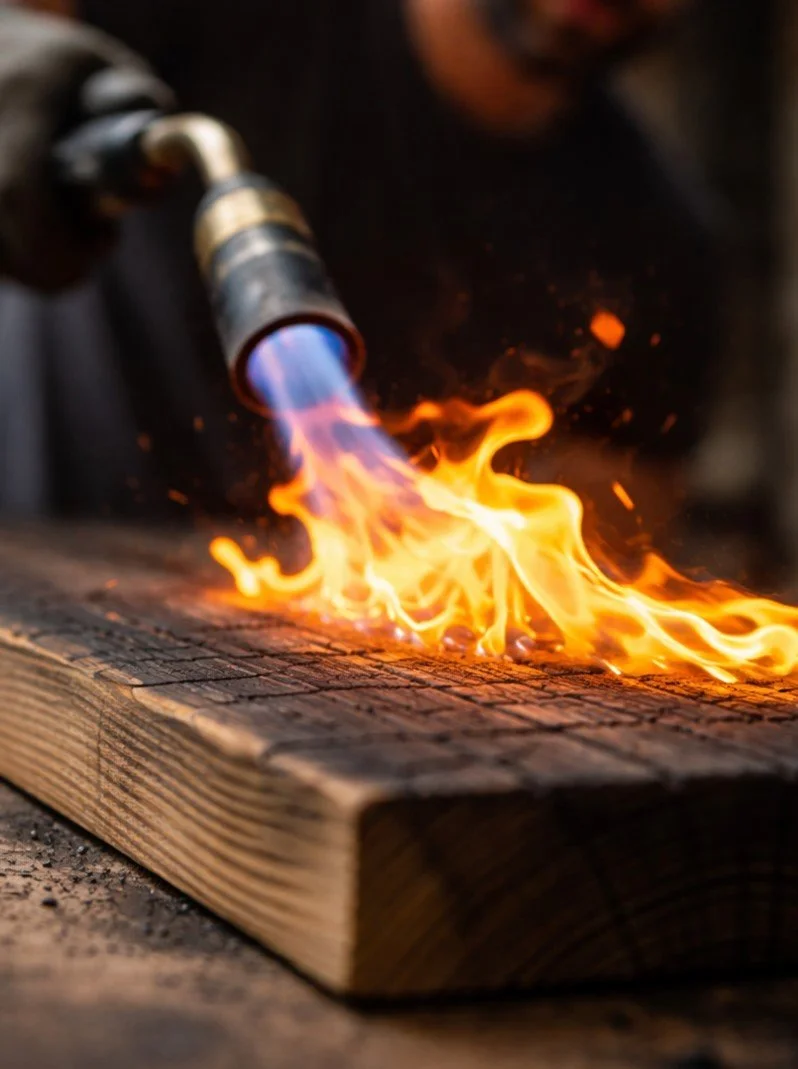
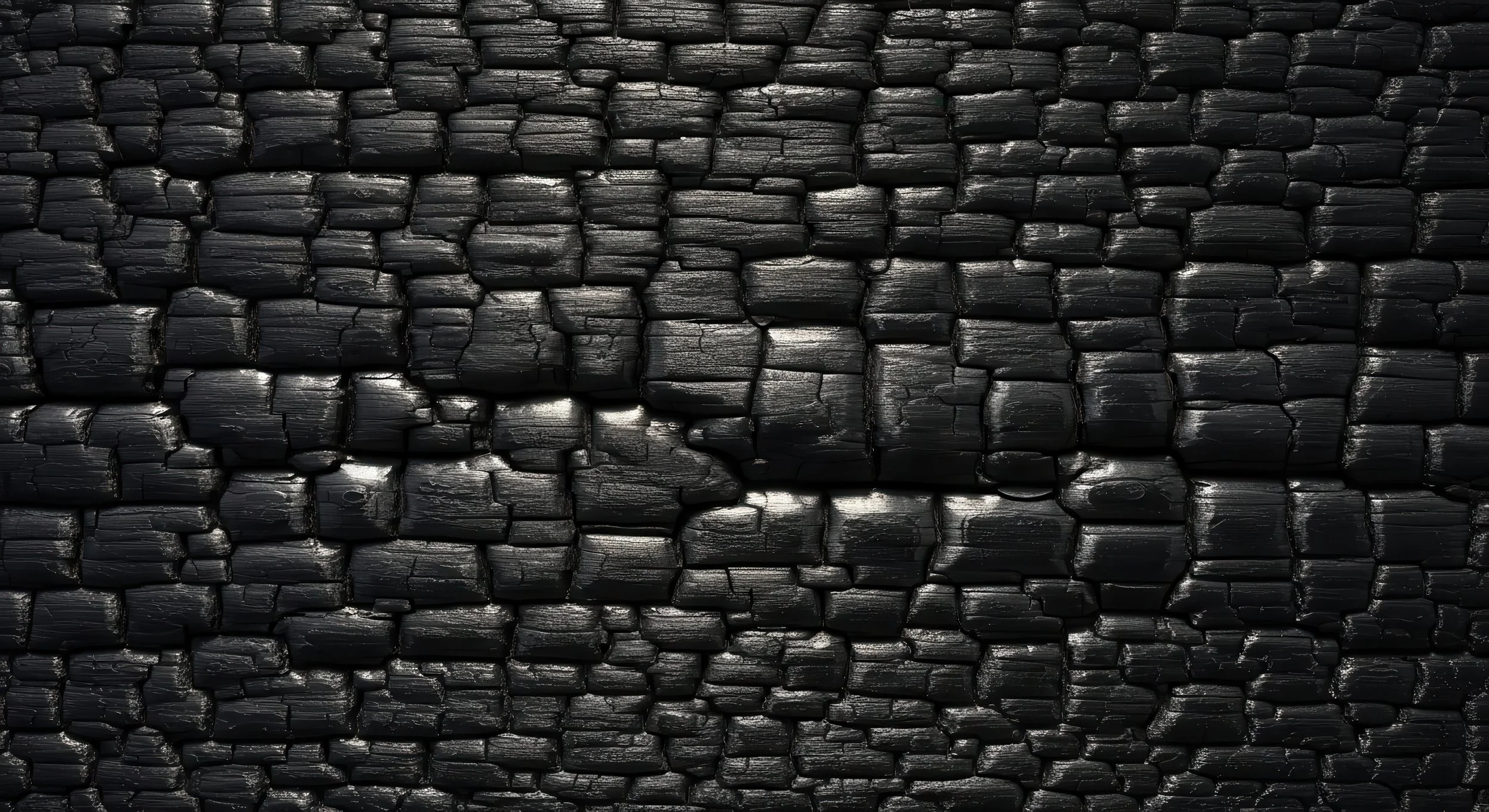
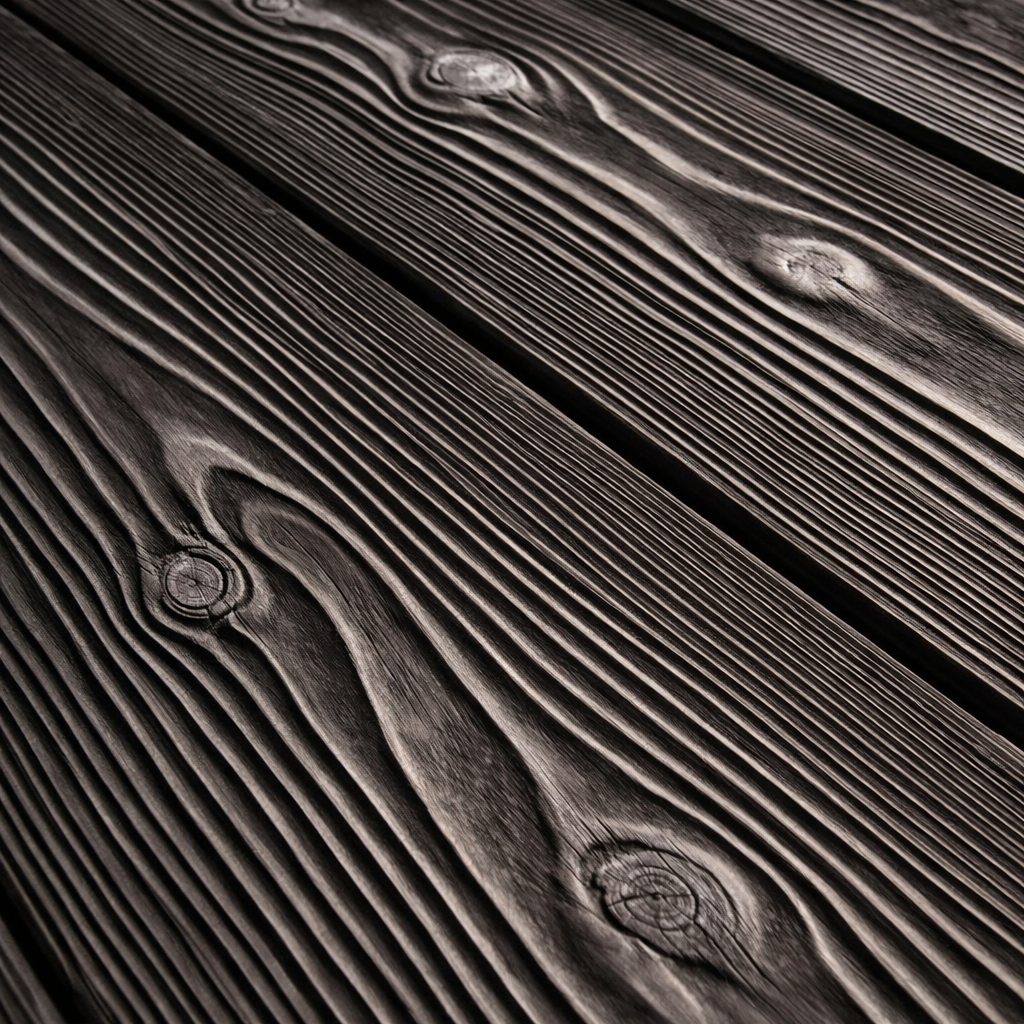
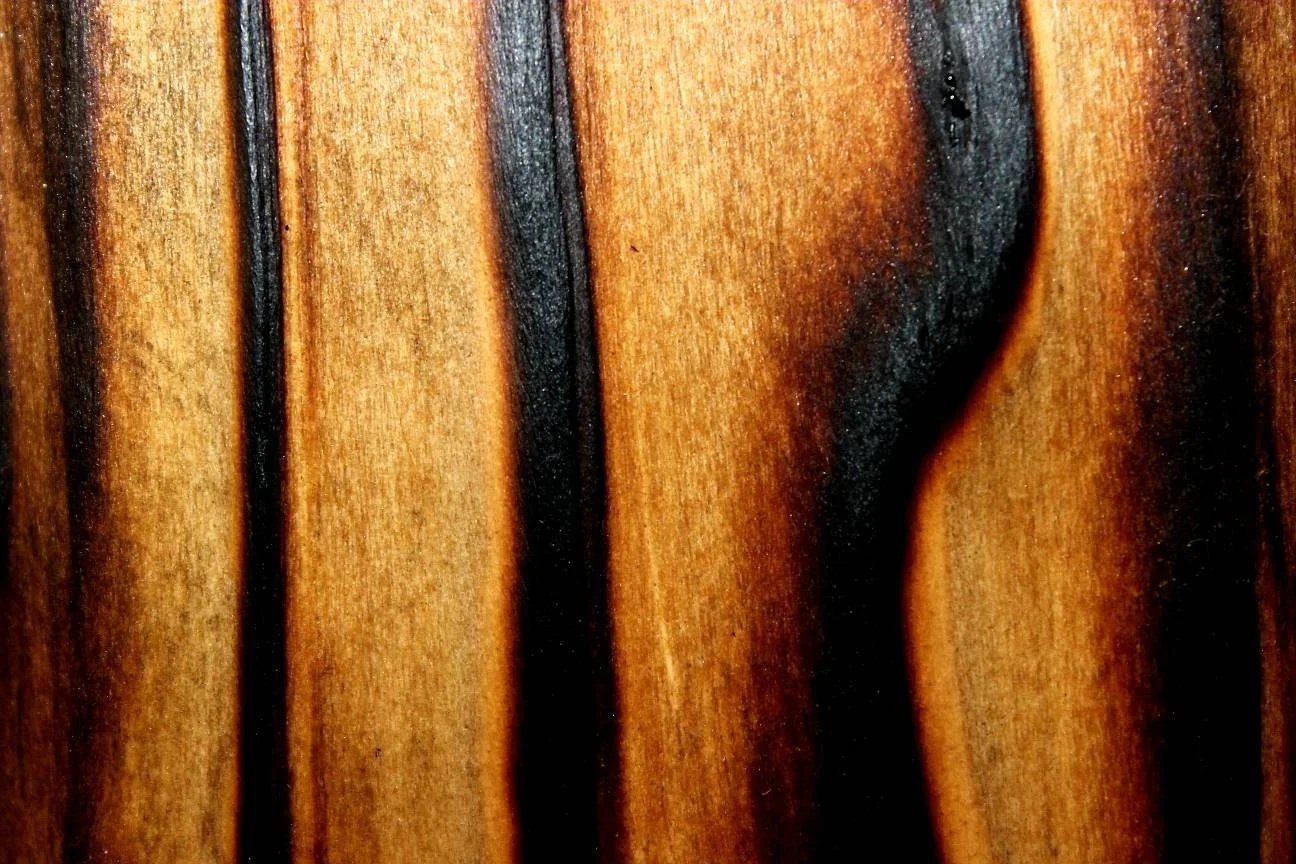
Shou Sugi Ban, also known as Yakisugi, is a traditional Japanese technique that involves burning the surface of wood to preserve it.
Historically, this method was used on Japanese cedar siding to make homes more resistant to:
Weather
Moisture
Pests
Rot
Fire
By deeply charring the surface, the wood developed a protective carbon layer that significantly extended its lifespan.
While its origins were practical, modern artisans have embraced Shou Sugi Ban for something far more artistic: the dramatic textures and rich visual contrast created by fire interacting with wood grain.
Today, this technique is widely used in:
Architectural siding
Furniture design
Luxury interiors
Sculptural wood art
But there is a newer evolution of the craft that pushes the aesthetic even further.
A Modern Interpretation: Removing the Char
Traditional Shou Sugi Ban typically leaves the charcoal layer largely intact, producing deep black surfaces with cracked textures.
However, in art-focused applications, artisans often experiment with brushing or removing the char to expose the natural grain beneath.
This technique reveals something remarkable.
When softwoods like pine are burned and then brushed, the softer earlywood burns deeper than the harder latewood rings. When the char is removed, the wood’s natural growth pattern becomes dramatically sculpted.
The result is a striking three-dimensional texture where the grain literally rises out of the wood like topography.
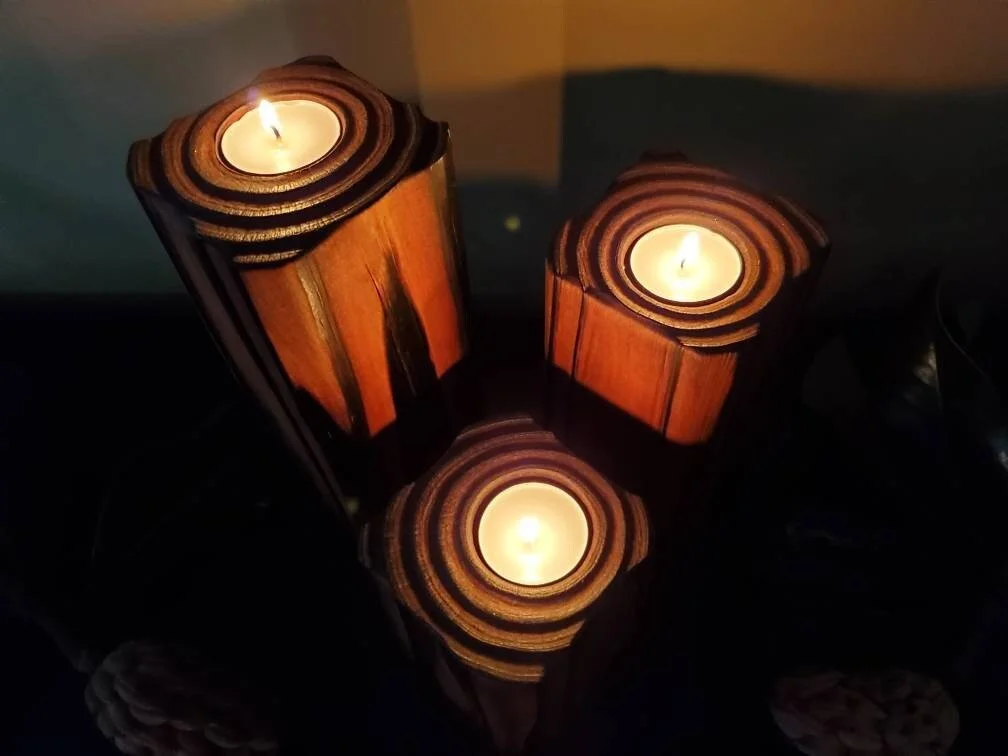
This is the style reflected in the candle holders shown here—where the burn highlights the natural ring patterns and vertical grain lines, creating a visual rhythm that feels both organic and modern.
Why Pine Works Beautifully for This Technique
Not all woods respond the same way to Shou Sugi Ban. Pine, however, offers a particularly striking result when the char is partially removed.
This is due to pine’s distinct growth structure.
Pine trees grow with alternating layers of:
Soft earlywood (formed in spring)
Hard latewood (formed in summer)
When flame is applied:
The soft earlywood burns faster
The dense latewood resists the burn
Once the charred surface is brushed away, the softer areas recess while the harder rings remain raised.
This creates the signature rippled, sculptural grain texture seen in many modern Shou Sugi Ban pieces.
The effect resembles something carved by nature rather than tools.
It is precisely this natural sculptural quality that gives charred pine décor its unmistakable Rustic Luxe appeal.
The Process: How the Texture Is Created
Creating this style of Shou Sugi Ban art requires patience, skill, and careful control of flame and finishing techniques.
While the process may appear simple at first glance, achieving a balanced and refined result takes years of experience.
Step 1: Selecting the Wood
High-quality pine is selected based on:
Straight grain patterns
Density consistency
Natural visual character
Minimal defects
Because the burn highlights grain structure, choosing the right piece of wood is crucial.
Each board tells a slightly different story once fire reveals its hidden patterns.
Step 2: The Charring Process
Using controlled flame, the wood surface is carefully burned until the grain begins to expand and separate.
During this stage:
Natural resins caramelize
The surface carbonizes
The softer fibers deepen in texture
The goal is not simply to burn the wood, but to activate the grain structure.
This stage determines how dramatic the final texture will appear.
Step 3: Removing the Char
Once cooled, the surface char is partially removed using:
Wire brushing
Nylon brushes
Abrasive techniques
Hand finishing tools
This step reveals the dramatic contrast between burned softwood and hardened grain lines.
It is also the stage where the artistic interpretation emerges.
Too little brushing leaves the surface muddy. Too much removes the depth entirely.
The sweet spot creates a surface that looks naturally carved by time and fire.
Step 4: Cleaning and Stabilizing
After brushing, the wood is cleaned to remove loose carbon particles.
The surface may then be stabilized using:
Natural oils
Stains
Clear protective sealers
These finishes enrich the color while preserving the dramatic texture created by the burn.
The Visual Power of Contrast
One of the reasons Shou Sugi Ban has become such a powerful design element is its contrast.
The process creates a beautiful interplay between:
Light and shadow
Smooth and textured surfaces
Burned darkness and warm wood tones
Natural grain and sculpted relief
In the case of brushed charred pine, the colors often range from:
Honey gold
Amber brown
Deep espresso tones
Smoky black accents
This tonal variation gives the wood an appearance of depth and movement, making even small objects visually striking.
When used in home décor, the effect is subtle but captivating.
Rustic Luxe: Where Nature Meets Sophistication
The Rustic Luxe aesthetic has grown rapidly in popularity among homeowners and interior designers.
It represents a fusion of two worlds:
Rustic Elements
Natural materials
Organic textures
Handmade craftsmanship
Imperfect beauty
Luxury Design
Clean presentation
Minimalist composition
High-quality materials
Sophisticated finishes
Shou Sugi Ban fits perfectly into this design philosophy.
Fire transforms ordinary wood into something dramatic and expressive while preserving its natural authenticity.
It feels both primitive and refined.
Why Handmade Shou Sugi Ban Décor Is Rising in Popularity
Modern consumers are increasingly moving away from mass-produced home décor.
Instead, they are seeking pieces that feel:
Authentic
Artisanal
Unique
Meaningful
Handcrafted wood art satisfies that desire.
Every Shou Sugi Ban piece is different because:
No two grain patterns are identical
Flame interacts uniquely with each board
The brushing process reveals different textures
This ensures that every piece becomes a one-of-a-kind work of art.
For homeowners who value individuality in their spaces, this uniqueness is incredibly appealing.
Small Pieces, Big Impact
While Shou Sugi Ban is often used in large architectural features, smaller decorative objects can be just as powerful.
Pieces such as:
Sculptural blocks
Decorative wood art
Table accents
Display pieces
bring warmth and texture to interior spaces without overwhelming the room.
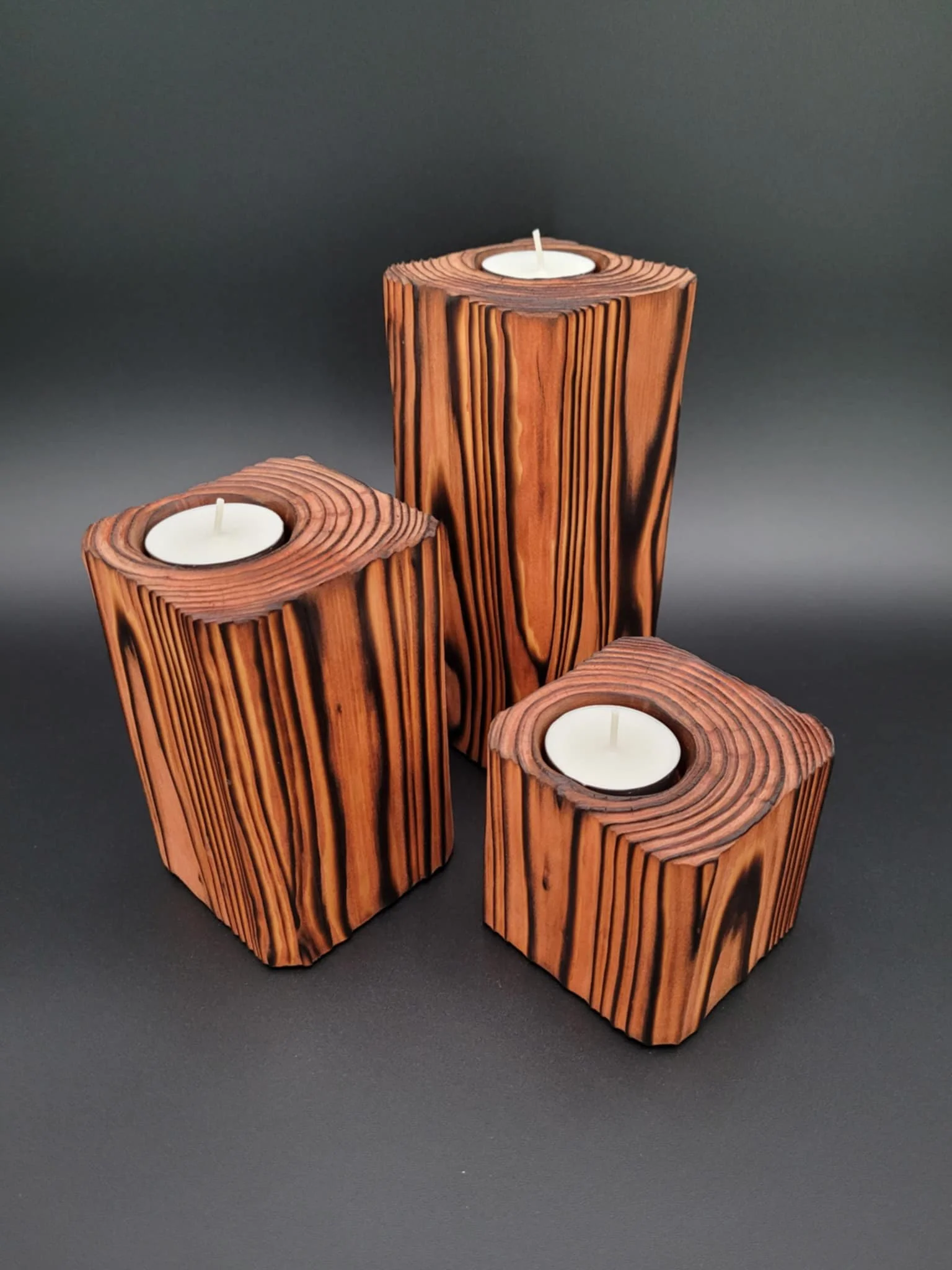
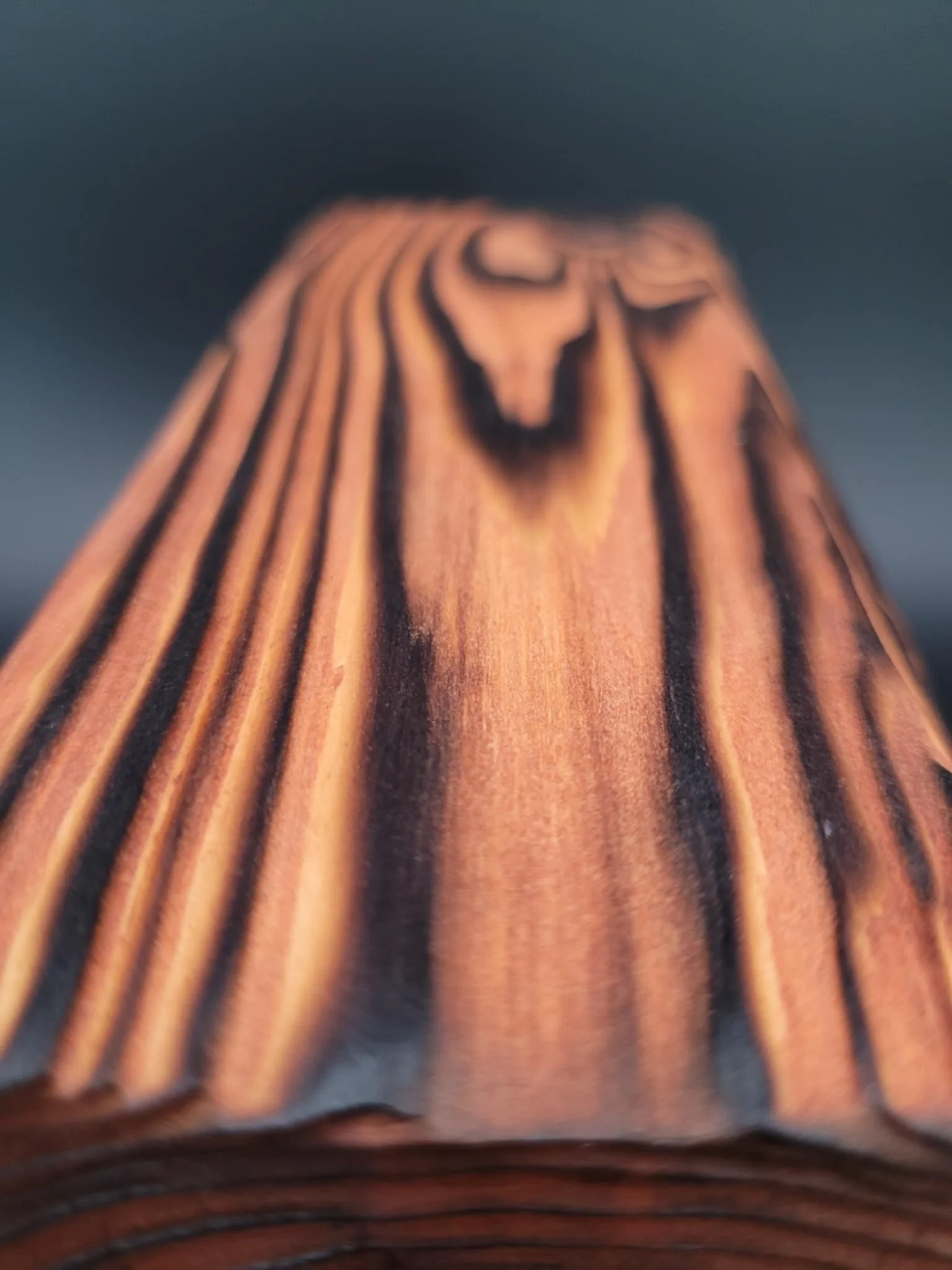
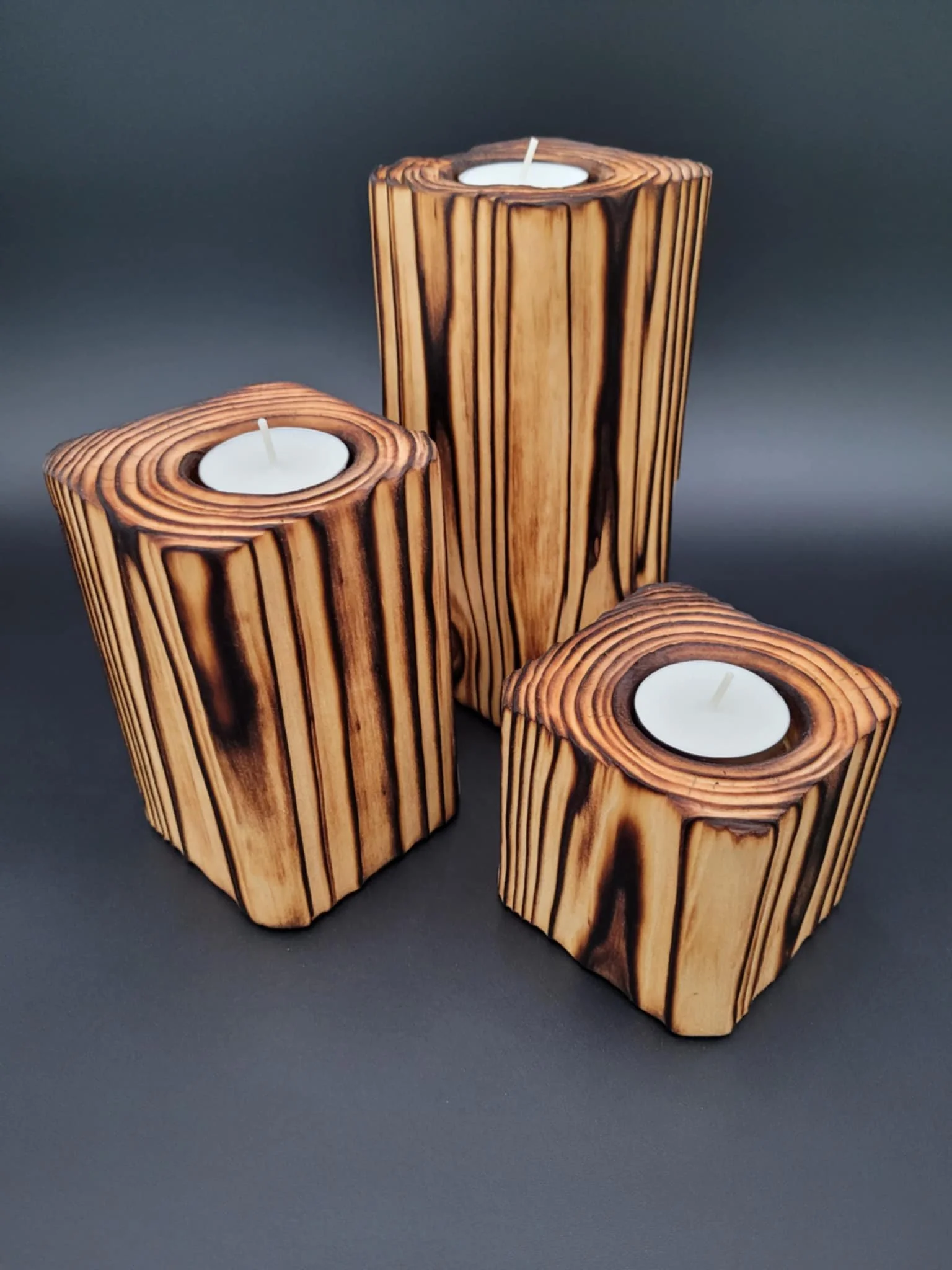
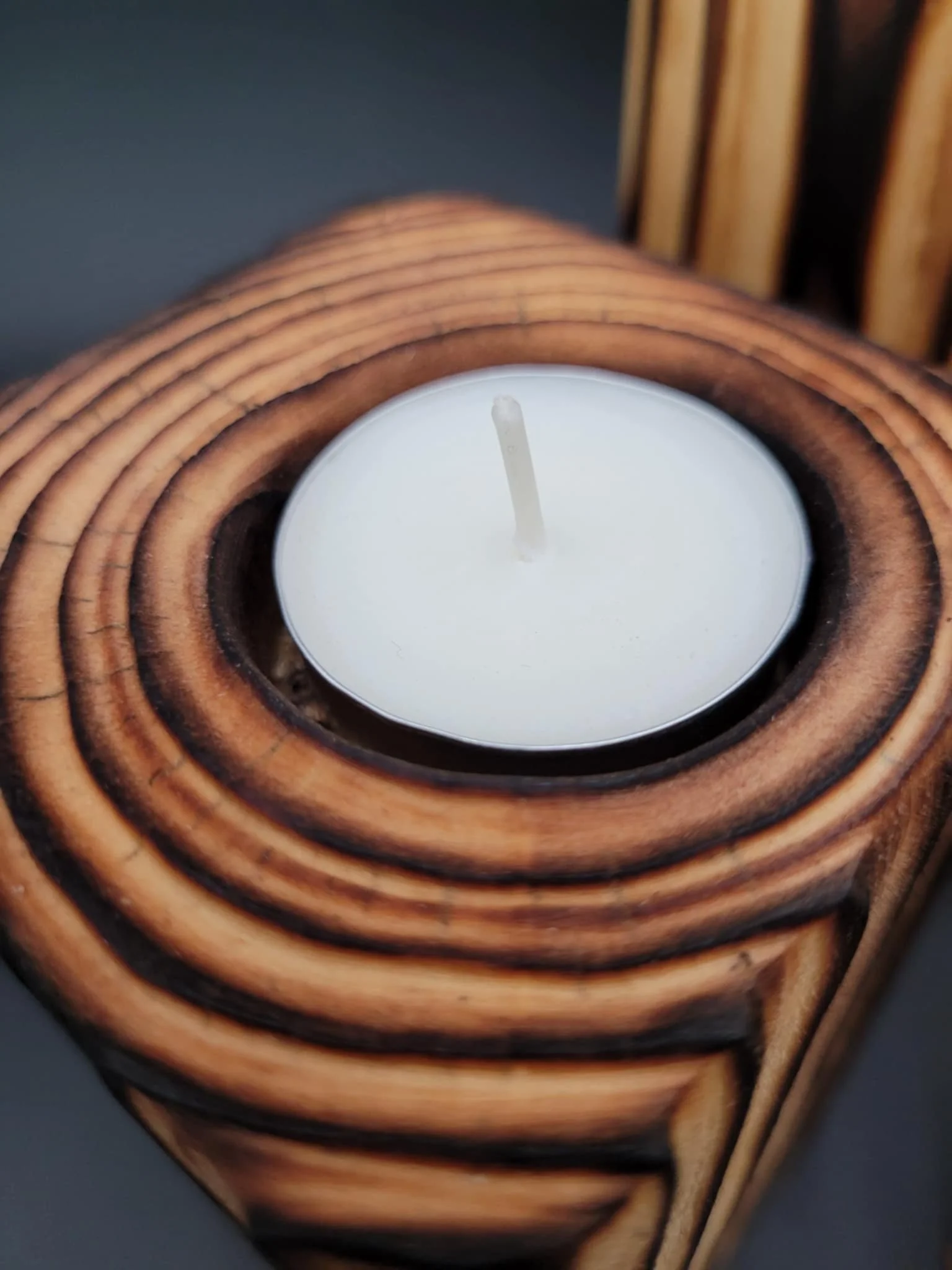
The candle holders shown in the image reflect this beautifully.
Their sculptural grain patterns capture light in subtle ways, and the vertical burn lines create a visual rhythm that draws the eye.
Placed on a table, shelf, or bar, they become conversation pieces that blend artistry with natural beauty.
Sustainability and Natural Materials
Another reason charred wood décor is growing in popularity is its connection to sustainable design principles.
Shou Sugi Ban aligns well with eco-conscious craftsmanship because:
It uses natural wood materials
The preservation technique extends wood lifespan
Finishes can be natural oils or waxes
Many pieces use reclaimed or locally sourced lumber
This makes it possible to create beautiful art pieces while maintaining a responsible approach to materials.
For those who appreciate both craftsmanship and sustainability, this is an important factor.
Designing with Charred Wood
If you're incorporating Shou Sugi Ban pieces into your home, there are several ways to showcase them effectively.
Pair with Natural Materials
Charred wood pairs beautifully with:
Stone
Leather
Linen
Raw steel
Glass
These materials enhance the organic aesthetic without competing visually.
Use Warm Lighting
Soft, warm lighting highlights the sculptural grain and enhances the depth created by the burn.
Candlelight is particularly beautiful because it casts subtle shadows across the textured surface.
Let the Texture Stand Out
Shou Sugi Ban pieces often look best when surrounded by simpler décor.
Minimalist arrangements allow the dramatic grain patterns to take center stage.
The Artistic Philosophy Behind the Burn
There is something symbolic about shaping wood with fire.
Fire represents transformation.
It takes something familiar and reveals hidden character within it.
In many ways, the Shou Sugi Ban process mirrors the philosophy of craftsmanship itself: working with nature rather than against it.
Instead of carving artificial patterns into wood, the artisan reveals what was already there.
The grain, the rings, the structure of the tree—all become part of the final artwork.
The result feels authentic, timeless, and deeply connected to nature.
Bringing Fire and Wood Together
The marriage of flame and wood is one of the oldest artistic processes in human history.
From ancient Japanese architecture to modern sculptural décor, Shou Sugi Ban represents a powerful intersection between tradition and innovation.
By combining controlled charring with selective brushing, artisans create pieces that feel both ancient and contemporary.
For those who appreciate craftsmanship, texture, and natural beauty, these works offer something truly special.
They remind us that sometimes the most extraordinary designs come not from adding more—but from revealing what was hidden beneath the surface all along.